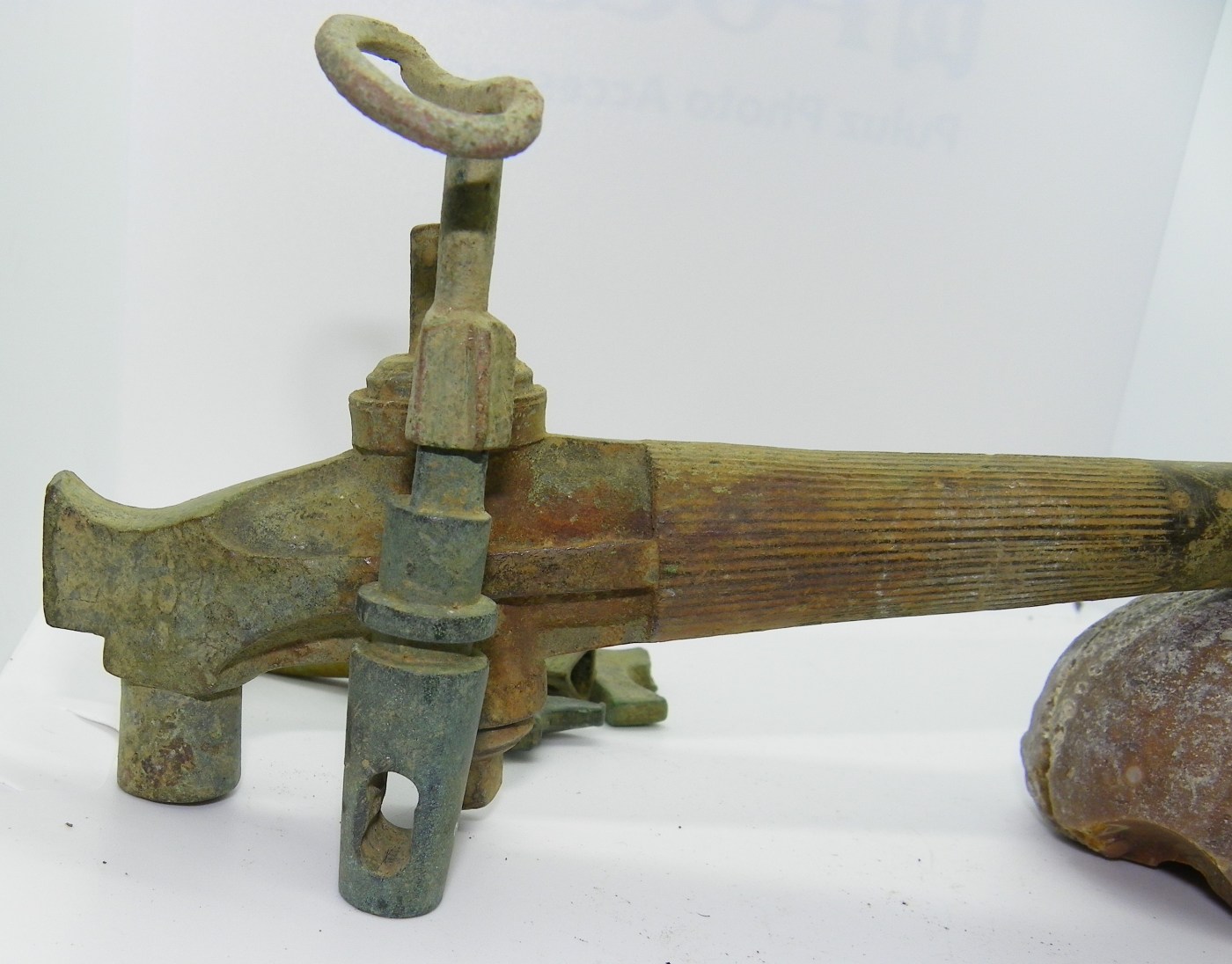
A Spigot is more commonly known as a Barrel Tap, unlike most taps which had the handle attached to the tap to turn it on or off, these barrel taps had a handle that was separate from the main body & is commonly known as a key, which opened and closed the Tap…
Wooden Barrels have a wooden plug sometimes known as a “bung hole”… These spigots are then hit with a wooden mallet into the “Bung Hole” pushing the wooden plug into the barrel, of the Beer Kegs, allowing access to the liquid contents via a tap, this allows a person who has access to the key, to control who has the beer, or more importantly how much, is consumed…


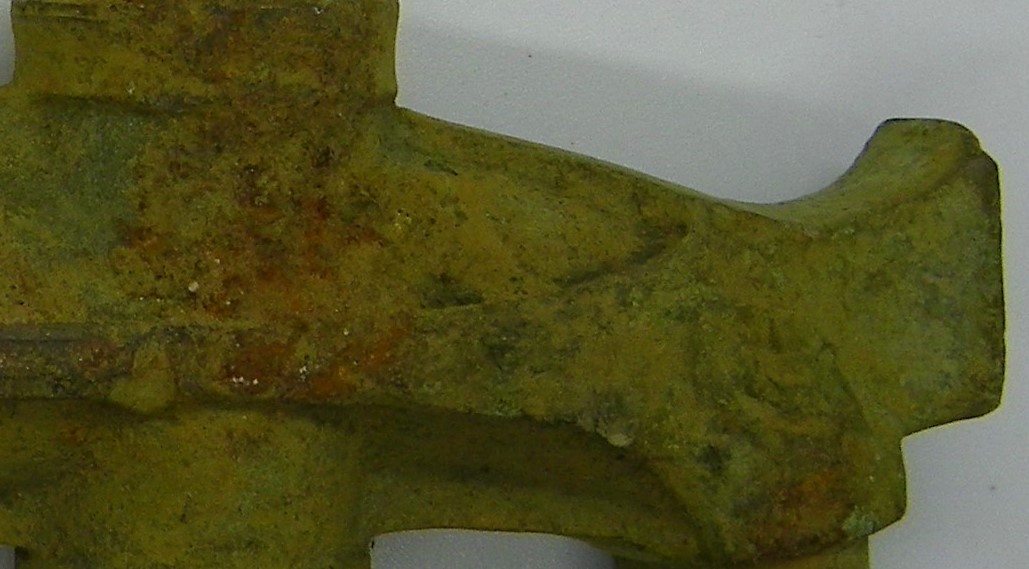
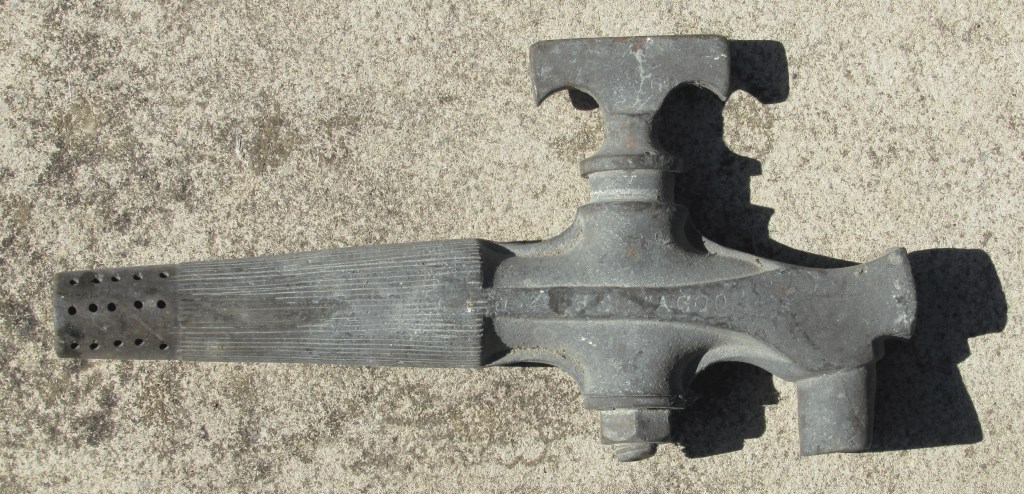
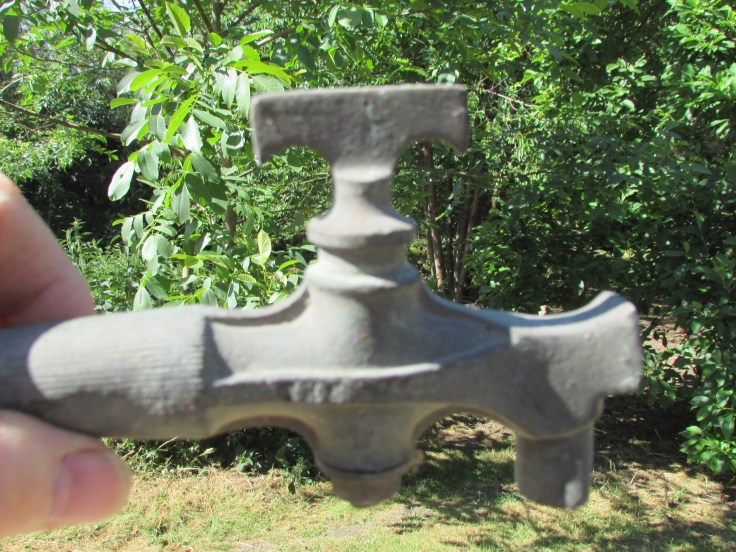
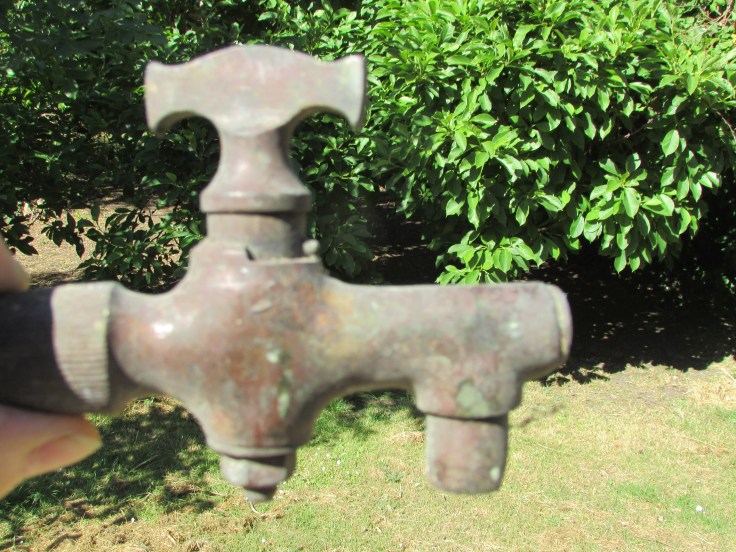
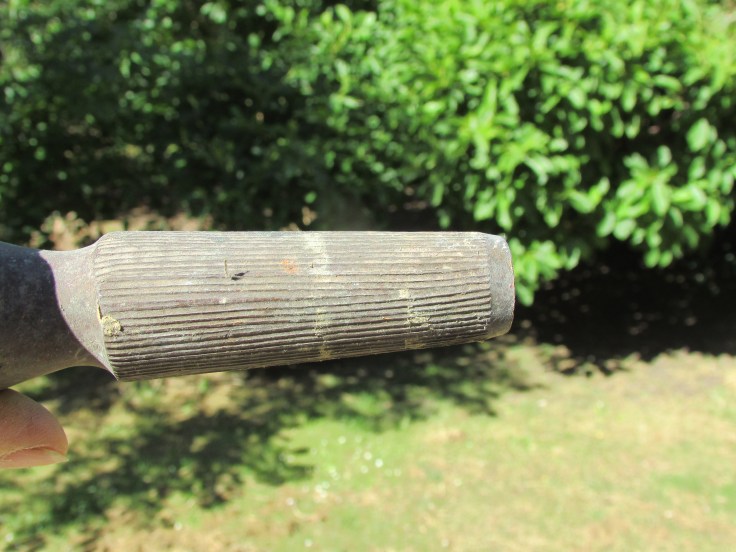
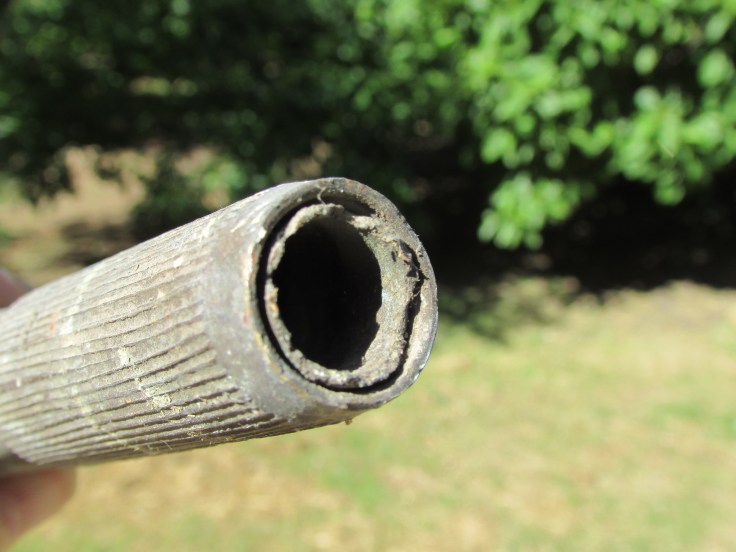
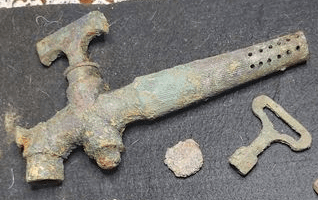
Shown on the left is the front detail of the barrel tap, where the mallet would strike the upturned front, to drive it into the barrel, this upturned nose served a double purpose, very often a small drip pot would be hung onto the tap, catching any drips… whilst the tap itself had long ridges tapering down to the filter, to hold the barrel tap in place, once inserted into the barrel through the bung hole…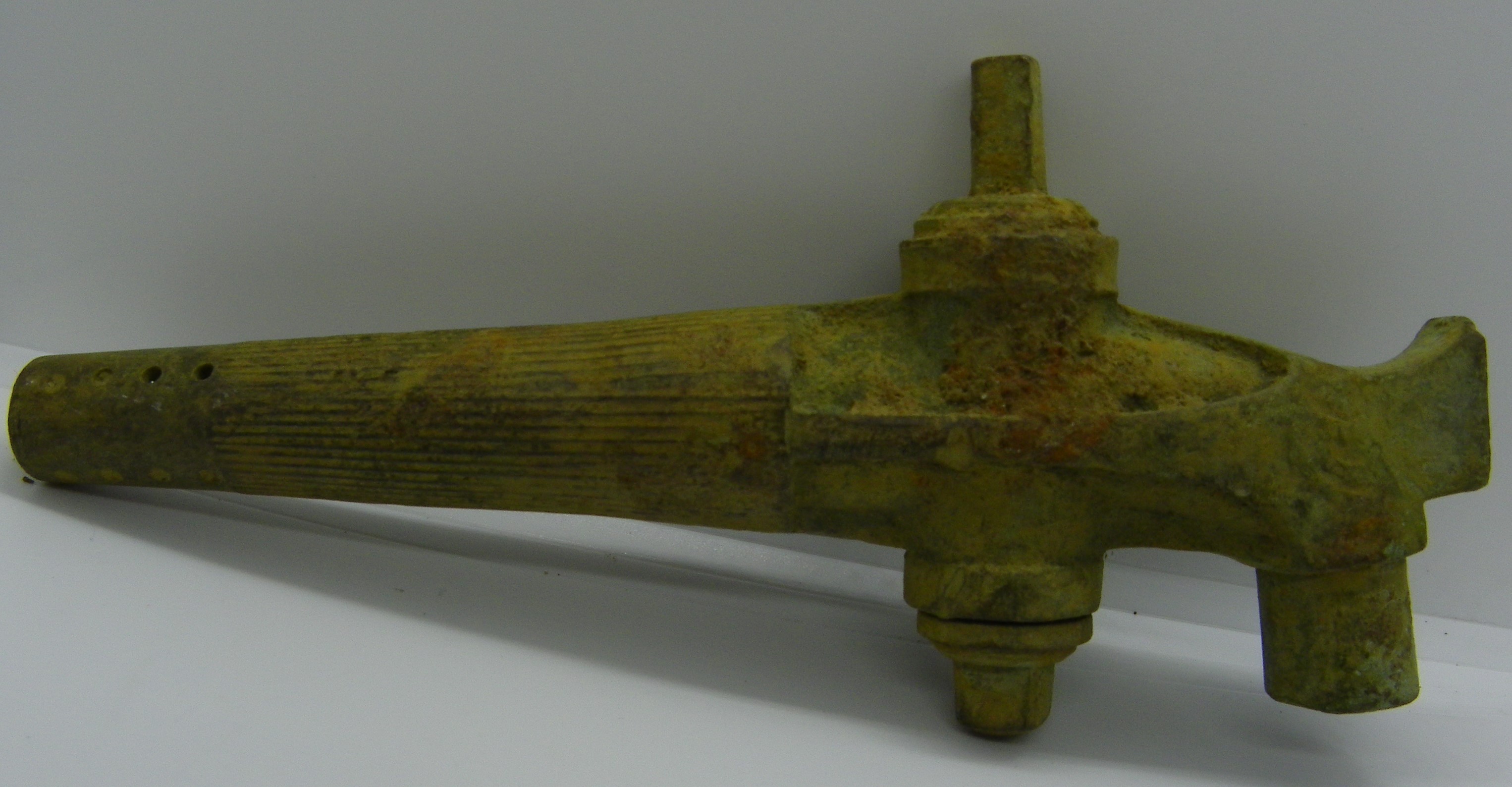
 Beer Kegs came in all sizes and were made by Coopers, one of the best websites to explain this is an American website and has all the details, to follow up more research… Most Barrels came in an assortment of Sizes with the most common one which held nine gallons. & called a firkin would have been used for farm labours, at harvest time, whilst a smaller barrel called a pin which held four and half gallons might have been used for personal use or guests at home, but allowing only the key holder to distribute the beer…
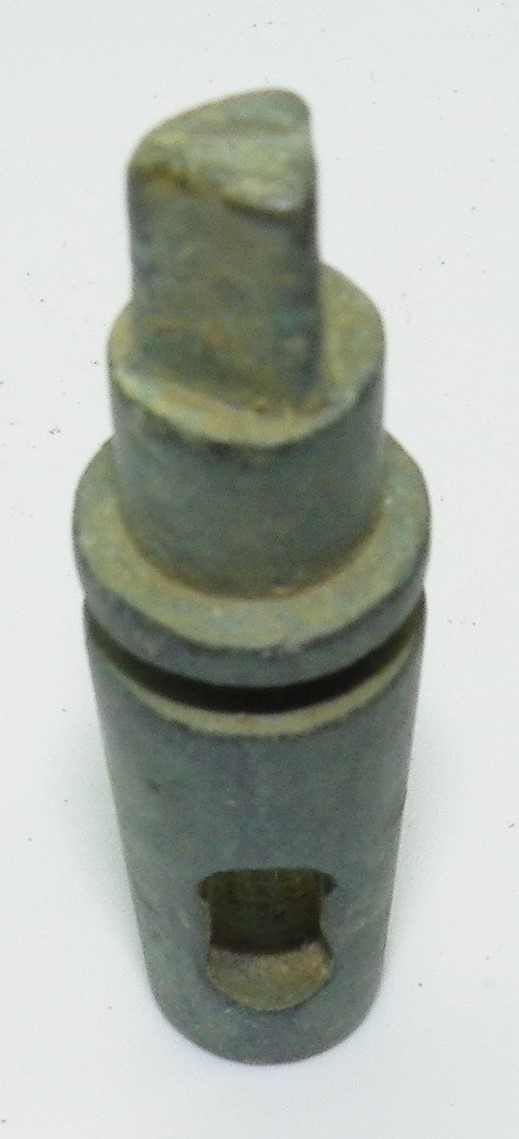
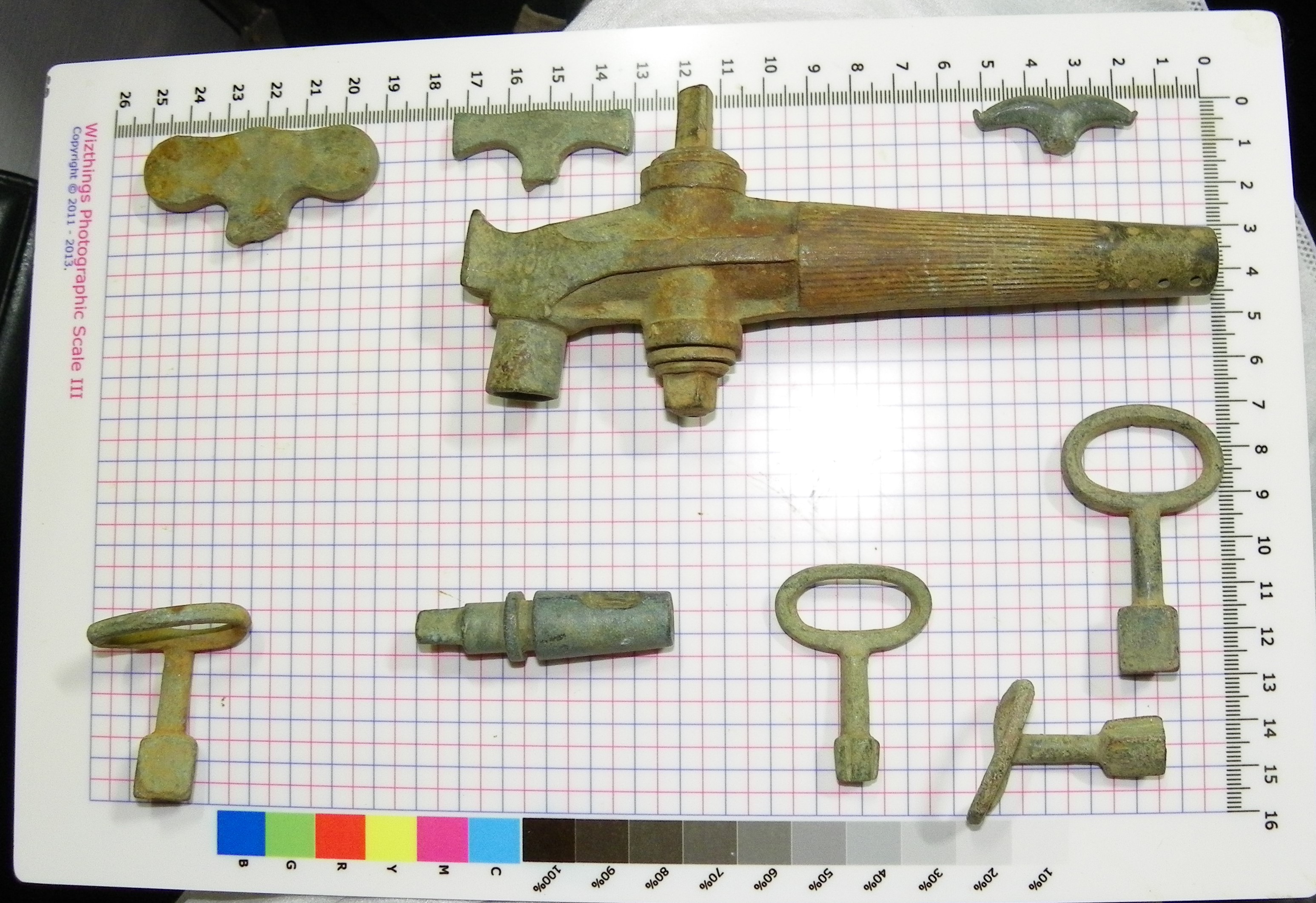
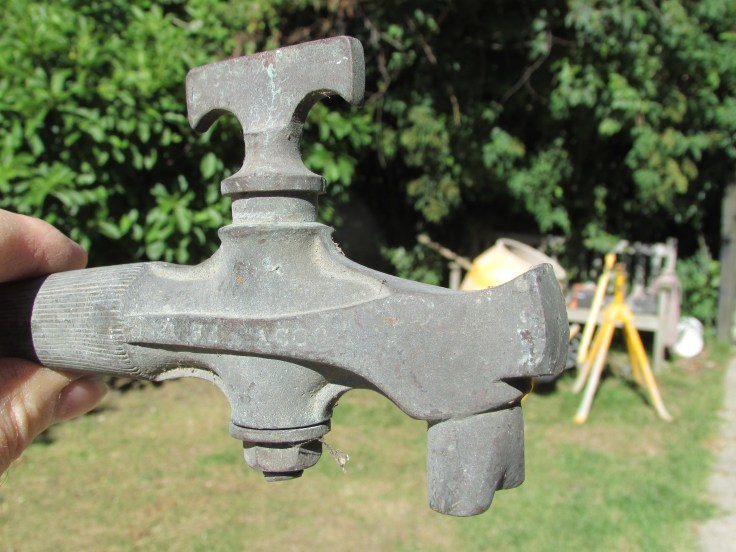
Internal valve, showing the top where the key sits onto & turns the valve allowing the liquid to flow through the hole; 18th – 19th Century… Note the shape of the “-top-” of the valve, this would only allow a specific key to gain access to the beer inside…
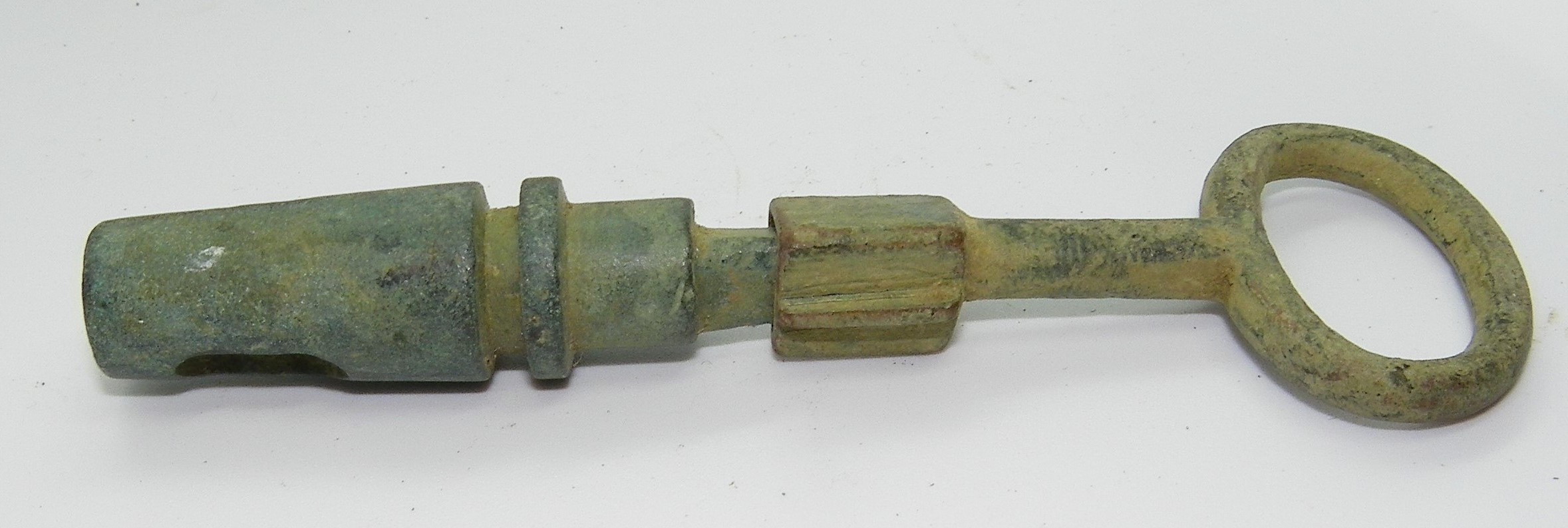
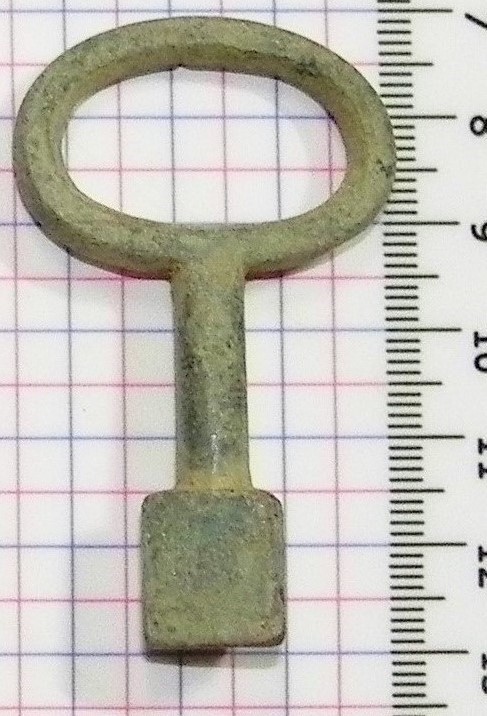
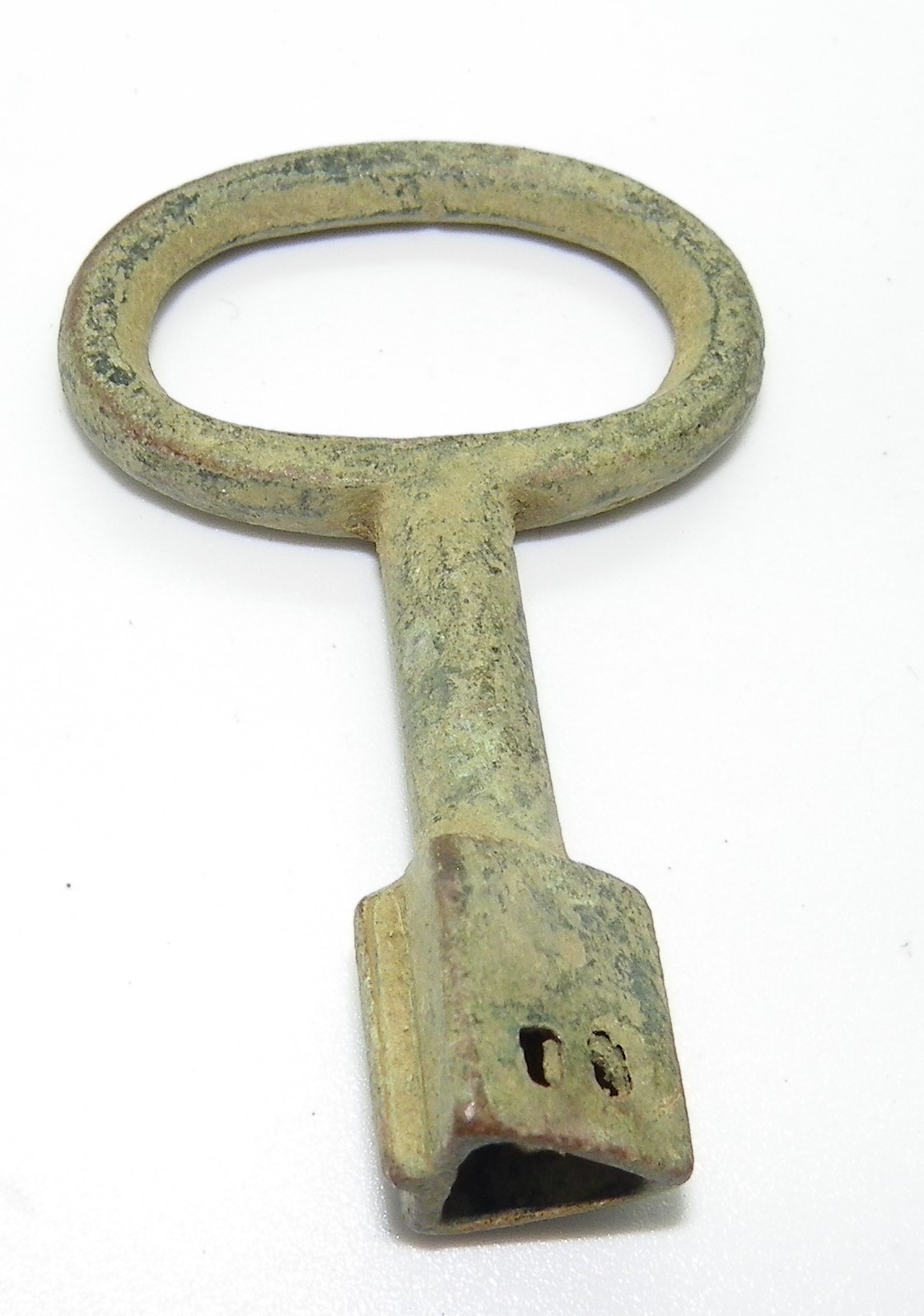 An undamaged key – 17th – 18th Century… with two holes, to one side and a solid ridge, running down the other side with a triangular mouth…

17th 18th Century: An end from a broken barrel tap, showing the perforations, which were added to act as a filter for the hops & other deities in the beer…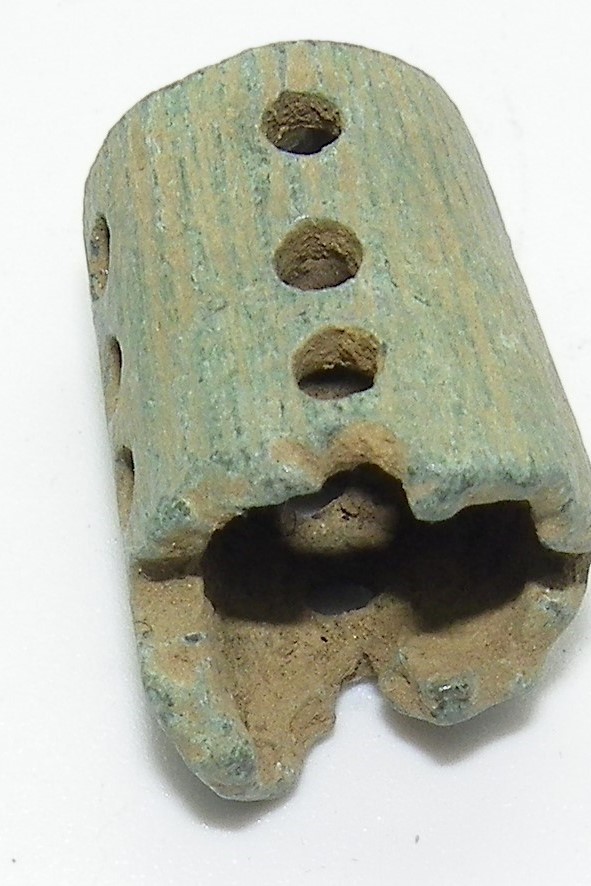
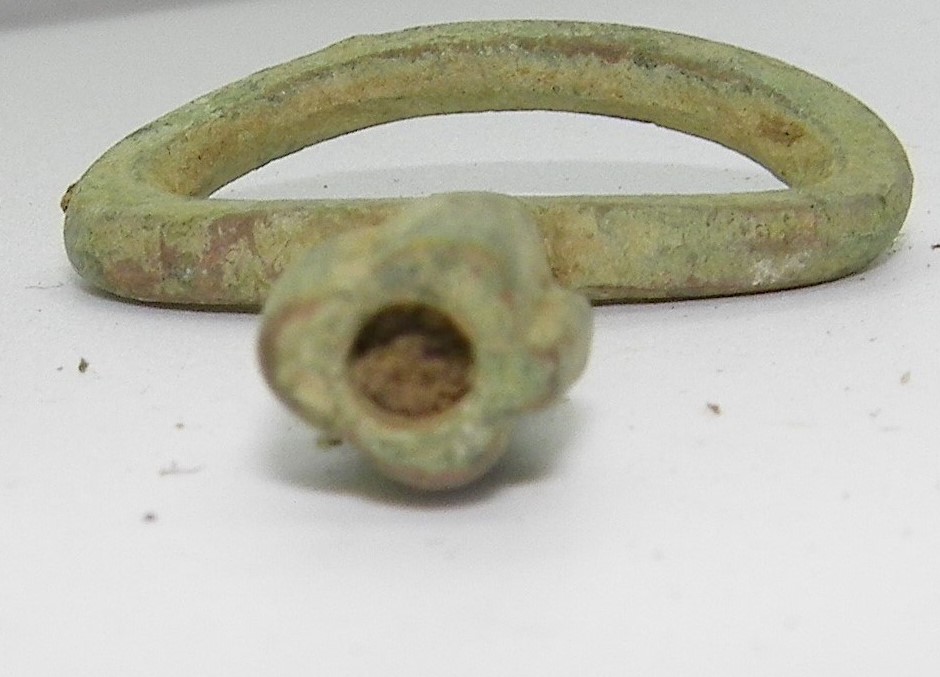
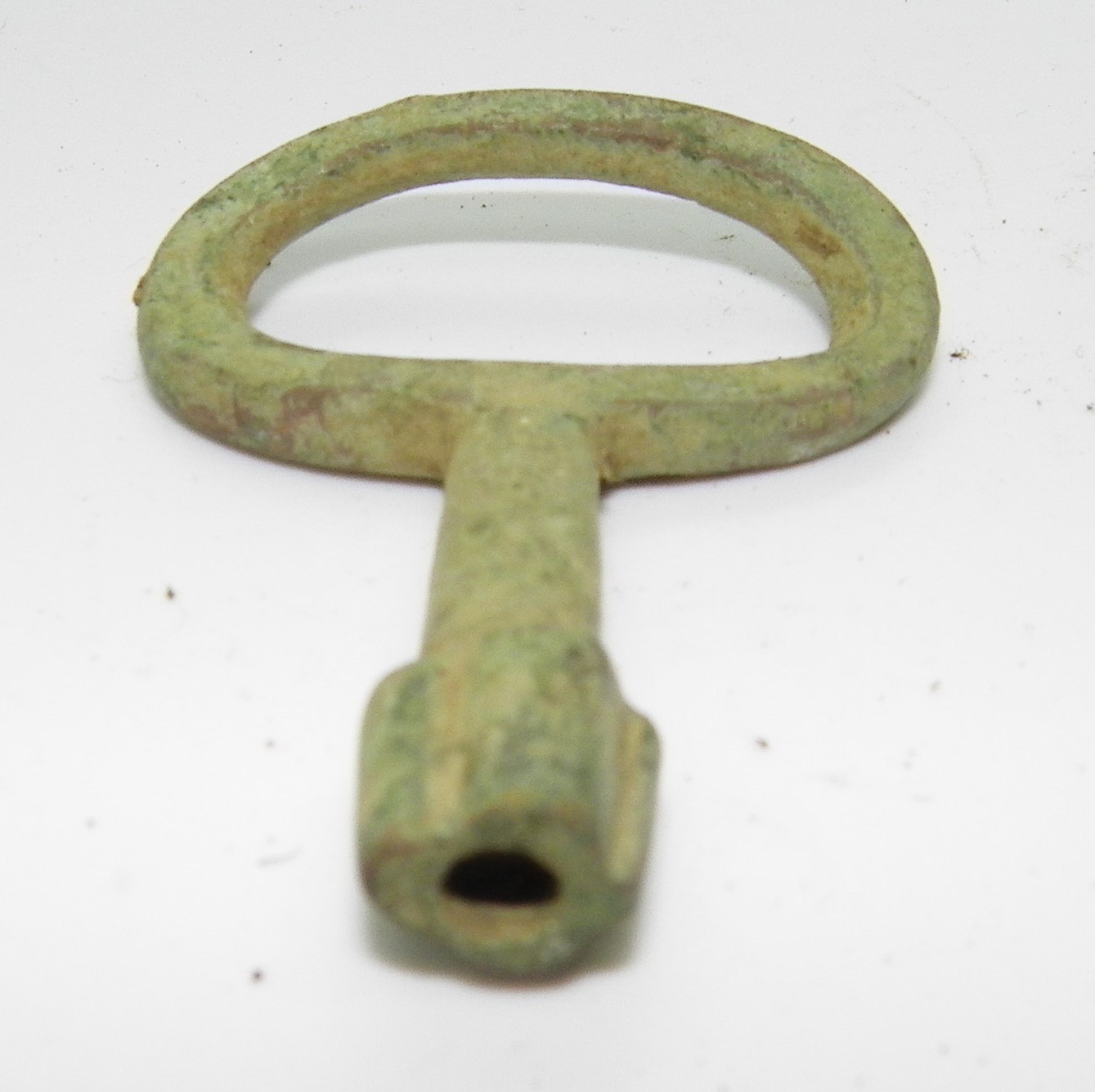
another copper alloy key, but with a round hole and four ridges around the sides at 12-3-6-9- o’clock, suggesting that this was inserted into a spigot post, not over as the other keys suggest…
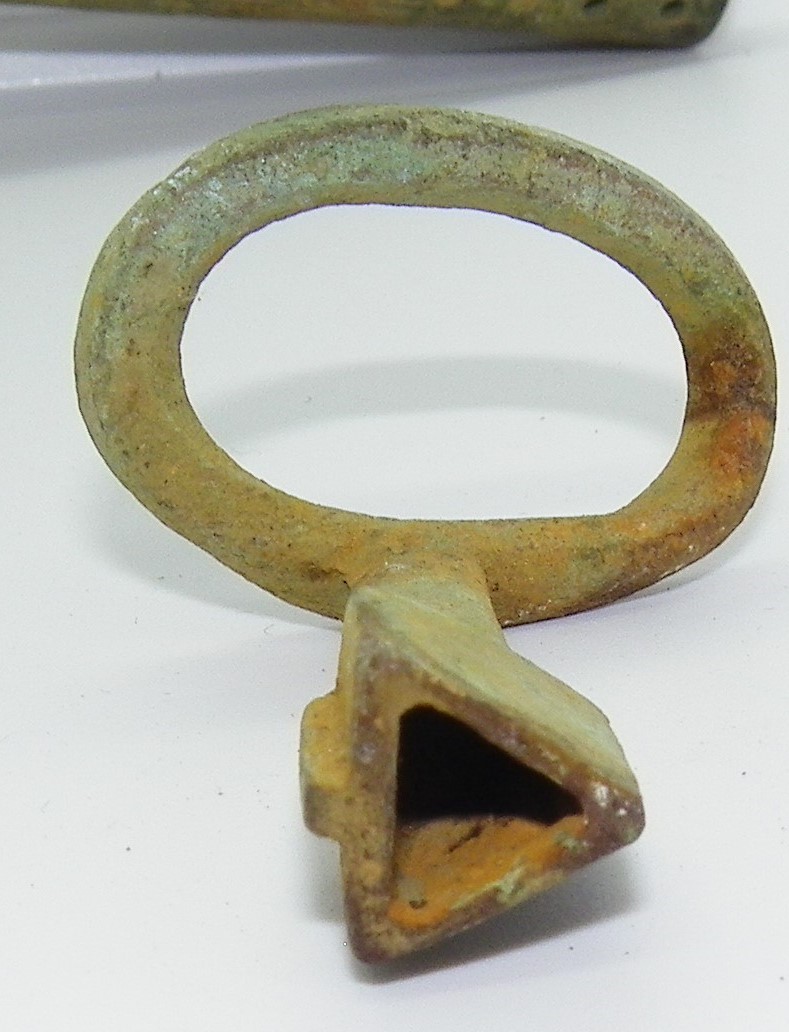
17th – 18th Century Copper Alloy Key, with a triangle fitment showing a ridge on the left-hand side…
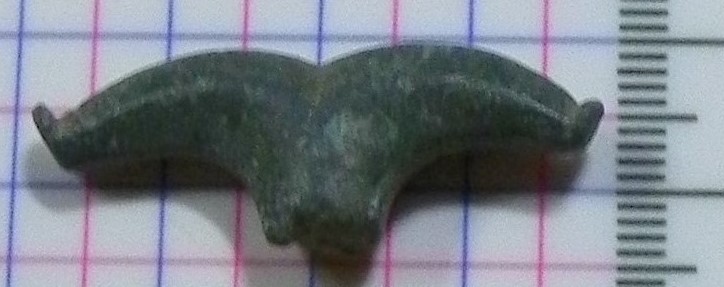
Copper Alloy, a broken key top 16th – 17th Century, Late Medieval …
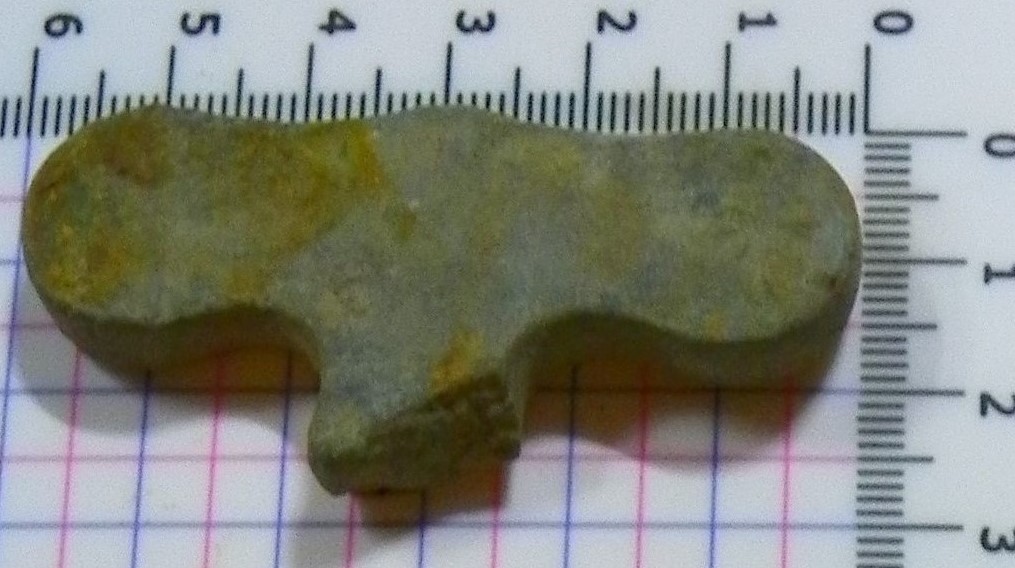
Large copper alloy broken key top, 19th – 20th Century…
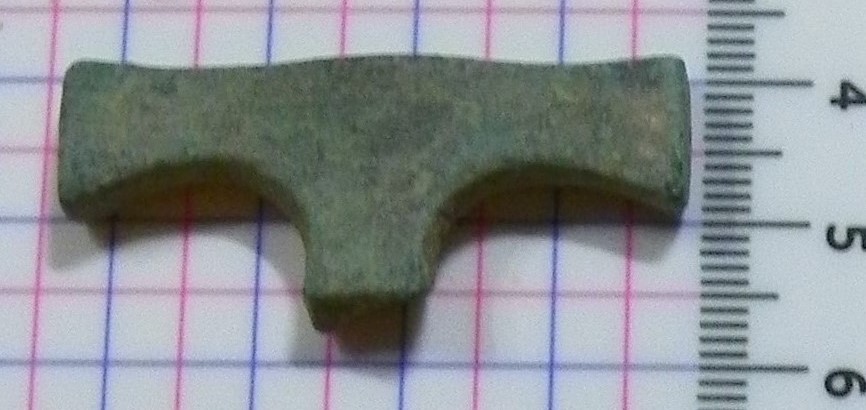
Broken copper alloy key top industrial revolution type, late 18th – 19th Century…
Below shows the approximate sizes of what you might find…
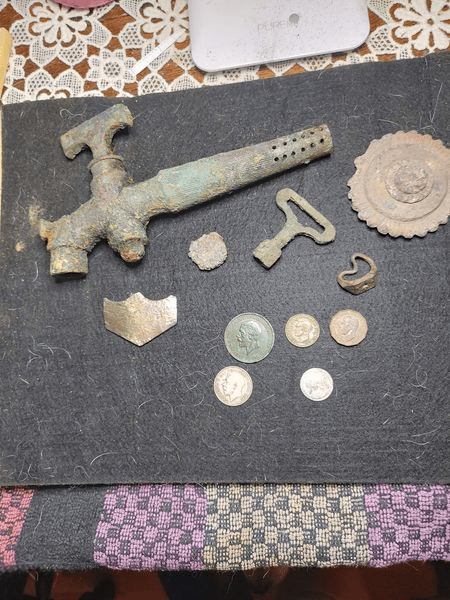
The two Barrel Taps below are still used today in the local Church’s Harvest Festival, both are 19th – 20th century with the lower one slightly older with a date around the late 1800s whilst the top one is post-First World War, about 1919-ish…
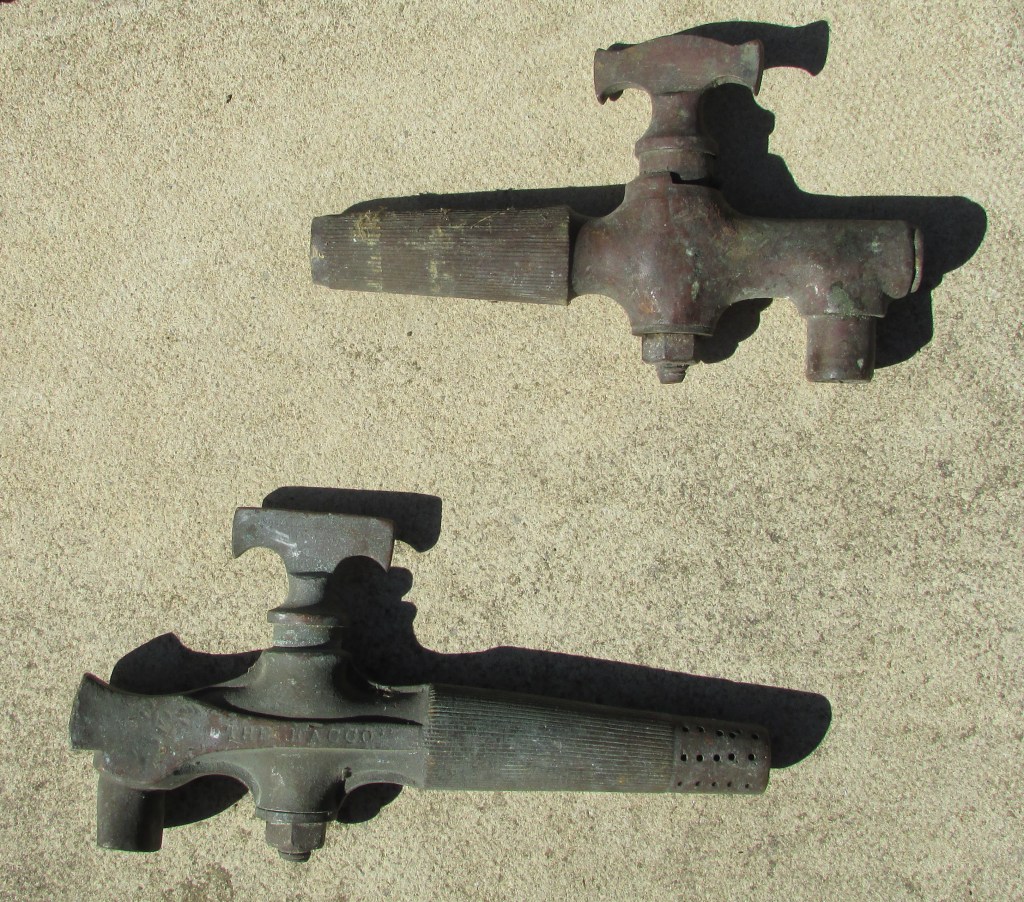
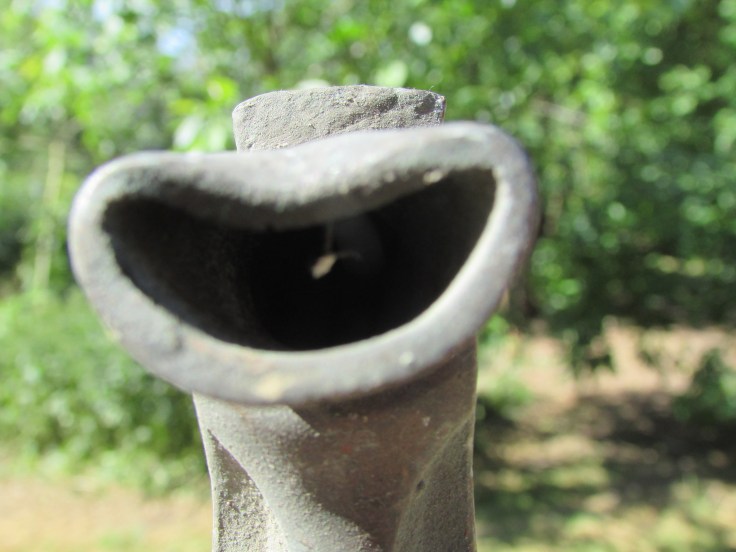
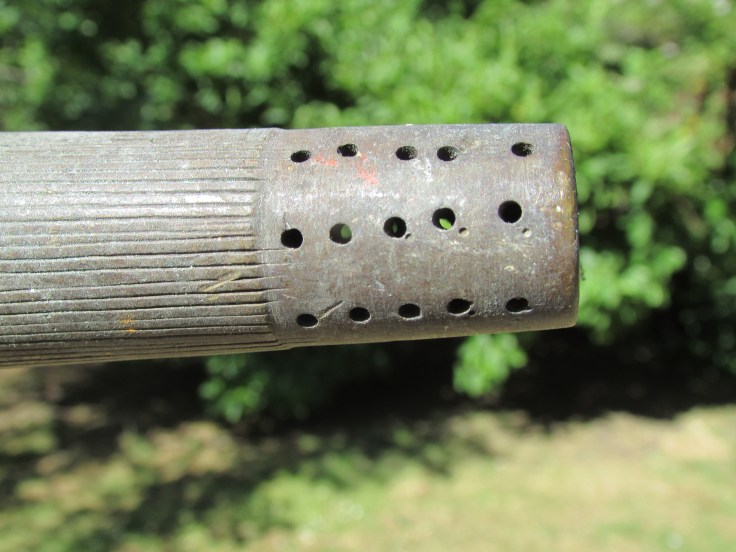
The one at the top shows a missed aim or two, after one too many beers maybe, as the strike has damaged the tap outlet, you can definitely see the older of the two, as it has a striking nose whilst the latter one has a round snout with which to aim the wooden mallet at, also the later one has lost its filter clearly shown in the lower photo, i reckon the bung might have been inserted to tightly by the pressure of the contents…
What is a Spigot ?
A Spigot is the correct name for a barrel tap, which as the two part name suggests “barrel” which this spigot fits into & “tap” which like any tap, acts as a valve that controls the flow of liquid from a container, many of these barrel taps are found in the fields or on the side of fields and would consist of two-piece’s, the actual barrel tap, and a key… with the key being the part that is lost more often, due to its size, the receptacle we are talking about here is either a beer or cider barrel, mostly in my neck of the woods it would be beer barrels that were commonly found out in the fields at harvest time even up to the early 1960s these barrels with there taps in place could be found at harvest festivals held in rural churches, the taps & their keys are mostly made from copper-alloy although the early barrel taps would have been made from wood, and even today the principle of operating them has not changed, & allows the owner or a person in authority to manage who has the beer & when, an ideal answer when out in the fields with hot and thirsty men…
Whoever was in charge of the barrels would also be in charge of the keys, a key was a vital part of the barrel tap, as this allowed whoever held the key to dispense the beer, at a chosen time, & stop temptation by the workers to help themselves to the liquid content, it also meant full barrels could be left on the side of a field, or under an old oak tree, covered up with hessian to keep cool & out of the glare of the sun, without anyone siphoning out the contents… If you imagine your kitchen tap, without a permanent handle, and you had to pop one on every time you wanted to turn it on, except the handles for barrel taps are commonly known as keys, which comes in all shapes and sizes, and with different shaped hollow ends to fit over the spigot valve post, (- spigot valve post is shown below left, & are the male -) with the keys being produced in various shapes & sizes, & are the female…many of these keys are found damaged in one way or another, either bent or broken, as are the barrel taps themselves…

Mick Fullbrook from Reading in Berkshire, found this early to mid-19th Century Barrel Tap, in a local park with a Nokta-Legend Metal Detector…


 udigidig.com