
Artefact with an E, is the British spelling of the noun, meaning, an object shaped by human workmanship, especially one of historical or archaeological interest…
Whilst early in the 1990’s the spelling of Artifact with an I, became the American spelling. Both spellings are etymologically justifiable, but like a lot of words in English, the written word is spelt differently in America…
So many of the Artefacts that are found or have been found are just parts of something much bigger, and so to gain an understanding of what “has been found” it is always relevant to a much bigger picture…
One of the most problematic things, for any detectorist, archaeologist, or anyone who digs up an Artefact or has found an item, that they are unsure of, is how to describe what they have found, this is where many people fail, especially someone new to the hobby of Metal Detecting, and this is where an item, is then either discarded or put into a box of “don’t know” it’s these items that need to be addressed as a greater proportion of them are more important than they look, this is where the forums and social media sites help, by simply posting a “photo & help to id please” could bring in the ID you need… why do these items need an ID ?


Unknown Artefact, its purpose or use is totally unknown… Identical markings are on both sides, and is unrecorded in archaeological publications, with one other known, found in Hertfordshire, a few miles from this Essex find…
The Crotal Bell shown below, is from the mid to late 1700s… no pea… as for the founder, I’m not sure how to read this, it looks like a duck, but do i read it as an S, or turn it one way to read the letter as a W or turn it the other way to read an M ? difficult…


Below is another, Crotal Bell based on manufacturing and stylistic grounds, the bell can be dated to sometime in the 16th/17th century period, with the pea still intact, creating a nice tone to the ring, both halves of the bell are decorated with a sunburst petal design, which puts this design much earlier as the bells of the 18th/19th century are often decorated only on the lower half… no idea who the founder is, another one that’s a mystery, as there is a bell founder’s hammer symbol in a shield-shaped cartouche, but no makers mark, i wonder if these hammer marks were a symbol, ordered by one company as a wholesale lot, then sold on ? more than likely this hammer mark is a figure 4 – which could point to the size of the bell…

Anglo-Saxon strap end, with entwined beasts…


We may have the internet today for a lot of our Identification purposes, but books are an integral part of our knowledge, our brain is a complicated piece of equipment, one that’s far superior to the limitations of a computer, and as such, it needs feeding constantly, just by flicking through any book the eyes are scanning the words and pictures, looking for the smallest detail, after a while, you will ask yourself “how did i know that”

When you start collecting books on any subject, it becomes a passion & a conversation piece, the hours of love and dedication that go into writing any book shows the Author has a belief, not only in himself but the book that is being put together piece by piece, the subject is irrelevant as is the Author because each writer must have the same dedication & belief to see the book through to the end, it is these books we can use to either sit down and relax with, or use for further study, read any classic book from Charles Dickens, Robert Louis Stevenson, or the Educational works of the 18th and 19th century, many are to be had today as a PDF and cost little or no money at all, yet the works have not been upgraded or rewritten, because someone put the time & effort in to get the facts and figures right…

Some of the pictures or line drawings within these books are a bit off and not up to today’s standards, but we are talking over a hundred years ago, & without man’s technological advancement of today, i for one think they did rather good… Many years ago i started to collect PDFs as a source of information, but i am fully aware that someone has spent time and effort creating these works, hence why i have created several websites dedicated to these Authors, many authors who over time have written the same subject as other people, with or without a cross-reference, but are equal in their own right, and as such are featured alongside each other in various websites… i know we get visits from academics, archaeologists & metal detectorists alike, all looking for that elusive identification of the “subject matter in hand”…
Many Books on this page will already be available through links…

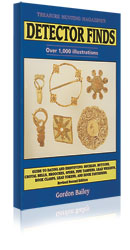
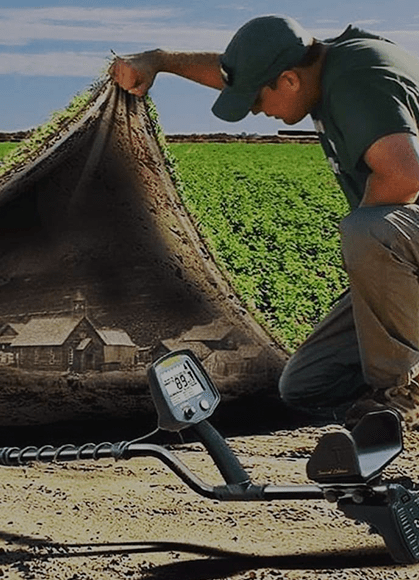
I am always saying to learn anything you have to read a book, metal detecting is no different, no matter where, why or when you embark on this wonderful journey, by purchasing a metal detector to search beaches, parks, fields or a combination of every conceivable piece of land you could possibly come across, you will without doubt find something metal… As we all know books are an essential part of any hobby, and Treasure Hunting with a Metal Detector is no exception, as a matter of fact books are an essential tool to establish the era or date for an artefact, with most metal detecting finds being either broke in antiquity & then discarded or lost due to the failure whilst being worn, whilst modern farming methods do not help some of these quite fragile artefacts, as they are churned up by either rotovators, ploughs or giant discs of steel to get the optimum growing medium, which leaves a lot of these artefacts broken, it is this, where the books come into there own, many years ago these were referred to as part-a-facts, and for a good reason, but trying to identify these broken objects can be a nightmare, but once you start to build up a library of books, with a casual flick through every now and then, the brain soon picks out things and next time something is found your mind will tell you, and then the new hunt begins, this requires nothing heavy, just a casual flick through and your brain scans do the rest…
Coin Publications is a new company with an old background & one that is well established in the sale of books for the people interested in coins, from the Roman times through the medieval period & onto the pre-decimal coinage…
On the left is the inside of the Roman Silver Coins book from Coin Publication, following on in the footsteps of Spink, giving a value to the coins that you find…
Roman Silver Coins – A Price Guide
£7.80p is a very good price to pay for a book that answers many problems when dealing with Roman coinage, this is a very handy price and identification guide to most silver Roman coins that you’re likely to encounter… this newest Edition was published in 2018,ninety nine pages, written by the established author of coin books Richard Plant…
Here is the Direct Phone Number for these books & tell Chris i sent you 020 308 69996


England’s Striking History…
This book was first published in 2006, with no revisions, & is just as relevant today as it was when it was first published, as a coin book it looks at the history of the coinage, with good clear line drawings, this book will appeal to the beginner or experienced numismatists. with lots of clear illustrations and a full historical background on England’s silver hammered coins from 959 to about 1662. again a very good price at £ 7.95p
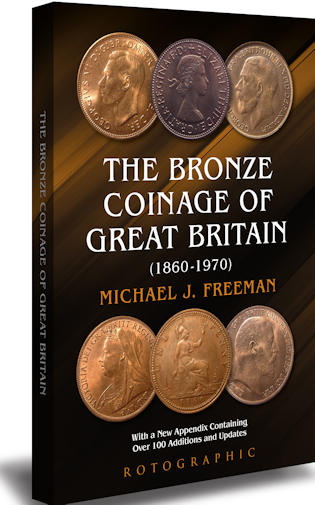

Here is the Direct Phone Number for Coin Publication or the Rotograhic books, call & tell Chris i sent you 020 308 69996
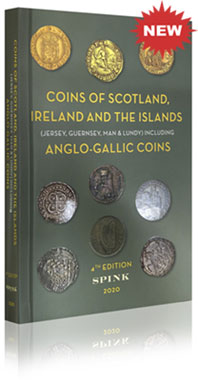
One of the newest books that should sit on your shelf waiting for its time to shine is the Scotland & Ireland book of coins, by Spink, with the typical trait of Spink given you a price guide which even PAS follows, so again a book well worth purchasing…
 many of the books listed elswhere

I am always saying to learn anything you have to read a book, metal detecting is no different, no matter where, why or when you embark on this wonderful journey, by purchasing a metal detector to search beaches, parks, fields or a combination of every conceivable piece of land you could possibly come across, you will without doubt find something metal… As we all know books are an essential part of any hobby, and Treasure Hunting with a Metal Detector is no exception, as a matter of fact books are an essential tool to establish the era or date for an artefact, with most metal detecting finds being either broke in antiquity & then discarded or lost due to the failure whilst being worn, whilst modern farming methods do not help some of these quite fragile artefacts, as they are churned up by either rotovators, ploughs or giant discs of steel to get the optimum growing medium, which leaves a lot of these artefacts broken, it is this, where the books come into there own, many years ago these were referred to as part-a-facts, and for a good reason, but trying to identify these broken objects can be a nightmare, but once you start to build up a library of books, with a casual flick through every now and then, the brain soon picks out things and next time something is found your mind will tell you, and then the new hunt begins, this requires nothing heavy, just a casual flick through and your brain scans do the rest…
Here is the Direct Phone Number for these books & tell Chris i sent you 020 308 69996

 England’s Striking History…


 udigidig.com